How Does a Rice Cooker Know When to Stop?
A basic rice cooker senses when the pot gets hot enough to signal that its water has boiled away. Fuzzy logic models also use sensors and computer controls to adjust cooking as moisture and temperature change.
On this page (7 sections)
- How does a rice cooker know when to stop?
- What changes when a rice cooker uses fuzzy logic?
- Why can rice keep cooking after the cooker switches modes?
- Why might a cooker stop while the rice is still firm?
- What should you check if the cooker stops too early?
- Which rice cookers use these controls?
- How does a rice cooker know when to stop?
A basic rice cooker knows when to stop by sensing a rise in pot temperature after the water has boiled away or been absorbed. Fuzzy logic models use sensors and computer controls to adjust cooking as temperature and moisture change.
That simple change in temperature is the key. The cooker doesn't need to see the rice: it responds to what is happening inside the pot.
How does a rice cooker know when to stop?
A basic cooker switches out of Cook when the pot gets hotter than boiling water. While water remains in the pot, it holds the temperature near water’s boiling point; once the water is absorbed or evaporates, the pot temperature rises.
A temperature sensor beneath the inner pot detects that rise. In a simple cooker, the sensor helps trigger a mechanical switch that ends cooking or moves the cooker to Keep Warm.
The cooker uses temperature as an indirect sign that the water is gone. It does not measure each grain’s texture, so the rice-to-water ratio and the cooker’s instructions still matter.
For an overview of the different mechanisms, see types of rice cookers, from basic to induction.
What changes when a rice cooker uses fuzzy logic?
Fuzzy logic cookers use sensors and a computer to adjust cooking as conditions change. Instead of relying only on one temperature trigger, they can vary the heat and cooking time during a cycle.
Toshiba says its fuzzy logic model adjusts temperature and cooking time based on moisture. The Zojirushi NS-TSC10 uses micro computerized fuzzy logic technology, according to its feature description.
That added control can support different cooking programs. Toshiba lists settings for white, brown, mixed, and multigrain rice, as well as quick rice, porridge, and steel-cut oats.
A fuzzy logic model may suit you if you cook several grains or want more programmed options. Compare the approaches in our guide to basic, micom, induction, and pressure rice cookers.
Why can rice keep cooking after the cooker switches modes?
A switch to Keep Warm means active cooking has ended, but the rice may continue to sit in a heated pot. Some cookers maintain warmth after the cooking cycle instead of powering off completely.
The Zojirushi NS-TSC10 has automatic Keep Warm, extended Keep Warm, and a reheating cycle. Toshiba’s fuzzy logic cooker has an automatic Keep Warm function.
Keep Warm is meant to hold cooked rice for serving, but it isn't the same as the cooking cycle. For practical timing guidance, read how long rice can sit on Keep Warm.
If rice is dry or overcooked, check how long it stayed warm and whether the water ratio fit the grain. Our guide to rice cooker water ratios for white, brown, and jasmine rice explains where to start.
Why might a cooker stop while the rice is still firm?
A cooker can reach its temperature trigger before the rice has softened enough if the batch has too little water or the wrong setting. The cooker detects conditions in the pot, not whether every grain is tender.
Start with the cooker’s measuring cup and water markings, or follow its manual for the rice you are making. Different grains and cooker models can need different amounts of water.
Our guide to rice cooker water ratios covers common starting points. For brown rice, check how to make brown rice in a rice cooker, since it may need a different setting and more cooking time than white rice.
Avoid repeatedly opening the lid during cooking. Escaping steam changes the conditions in the pot and can make the result less predictable.
What should you check if the cooker stops too early?
Check the water amount, rice quantity, and selected mode before assuming the sensor has failed. A mismatch between the batch and the cooker’s instructions can affect when the temperature rises.
Make sure the inner pot sits flat and is clean on the outside, where it contacts the heating area. Follow your manual for cleaning around the sensor and heating plate; don't pry at or adjust the sensor yourself.
If the cooker stops early across different batches despite following its instructions, consult the maker’s support or manual. Don't keep restarting a cooker that shows signs of electrical damage or unusual overheating.
Which rice cookers use these controls?
A basic switch model suits straightforward rice cooking, while fuzzy logic models offer more automatic adjustments and settings. Choose based on the grains you cook and the controls you want.
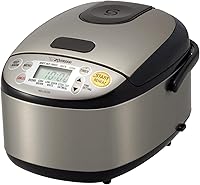
The Zojirushi NS-TSC10 is a micom cooker with fuzzy logic, automatic Keep Warm, extended Keep Warm, and a reheating cycle.
The Toshiba 6-Cup Fuzzy Logic Rice Cooker has seven listed cooking functions, including white rice, brown rice, porridge, and steel-cut oats.
The Zojirushi NHS-06 is a basic cooker with an automatic Keep Warm function that activates after cooking. Its see-through glass lid lets you look inside without lifting the lid.
How does a rice cooker know when to stop?
A basic rice cooker stops active cooking when the pot temperature rises after water is absorbed or evaporates. A fuzzy logic model also uses sensors and computer controls to adjust heat and timing as conditions change.
Choose a basic switch model if you mostly cook one kind of rice and want simple controls. Consider fuzzy logic if you want programmed settings for different grains; how long a rice cooker takes can help you plan around its cycle.
Frequently asked questions
How does a rice cooker know when the rice is done?
A basic rice cooker senses the pot temperature. While water remains, it stays near boiling; after the water is absorbed or evaporates, the pot heats up and triggers the switch to stop cooking.
Fuzzy logic cookers use sensors and computer controls to adjust cooking based on conditions such as temperature and moisture.
Does a rice cooker turn off when the water is gone?
Many basic cookers switch from Cook to Keep Warm when the pot temperature rises after the water is absorbed or evaporates. The exact behavior depends on the model, and some cookers keep warming rather than fully shutting off.
Check the manual for your cooker’s lights, sounds, and settings.
Why does my rice cooker stop before the rice is done?
The cooker may have reached its temperature trigger before the rice softened fully, often because the water ratio, rice amount, or cooking mode did not suit that batch. Check the cooker’s instructions and the rice package, then adjust the water or use the correct grain setting on the next batch.
Do fuzzy logic rice cookers know when rice is done?
Fuzzy logic cookers use sensors and computer controls to adjust cooking as conditions change. For example, Toshiba describes its cooker as adjusting temperature and cooking time based on moisture.
These controls can manage a wider range of rice types and cooking conditions than a basic on-off switch.