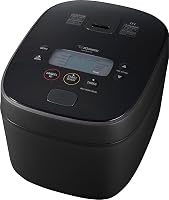
Types of Rice Cookers: Basic, Micom, Induction, Pressure
The main types of rice cookers are basic, micom, induction and pressure models. Basic cookers switch off when rice is done, while the others add computer control, different heating methods or pressure to expand cooking options.
On this page (12 sections)
- What are the main types of rice cookers?
- What does a basic rice cooker do?
- What is a micom rice cooker?
- What is fuzzy logic, and how does it relate to micom?
- What makes an induction rice cooker different?
- What is a pressure rice cooker?
- Which type of rice cooker should you choose?
- What features should you compare before buying?
- Do you need a cooker with many settings?
- How do the cooker types affect rice cooking?
- FAQ: choosing among rice cooker types
- Pick a rice cooker type that fits your meals
The main types of rice cookers are basic, micom, induction and pressure models. Basic cookers use a simple heat cycle, while advanced models add computer control, different ways to heat the pot or pressure cooking.
Choose based on the meals you make and the controls you want. A small household that mainly cooks white rice may not need the extra settings found on a cooker designed for several grains and cooking methods.
This guide explains what each type does, where its strengths lie and what to compare before you buy. For specific models, see our rice cooker picks.
What are the main types of rice cookers?
The main types differ in how they control heat and how many cooking options they offer. Some cookers use a simple switch, while others adjust heat through a computer, induction or pressure.
| Type | How it cooks | What to consider |
|---|---|---|
| Basic | Heats the inner pot and switches modes when cooking finishes | Simple controls and fewer menu choices |
| Micom | Uses a microcomputer to manage cooking settings | More menus and cooking adjustments |
| Induction | Uses induction heating to heat the cooking pot | Heating method and available settings |
| Pressure | Seals in steam to cook under pressure | Pressure controls, steam release and cleaning |
| Fuzzy logic | Uses computer controls to adjust the cooking process | Menus, texture options and how much control you want |
These labels can overlap. A cooker may combine induction heating, pressure and computer control, so check the specific model's features rather than relying on one word in its name.
What does a basic rice cooker do?
A basic rice cooker heats the inner pot and switches from cooking to keep warm when the cycle finishes. Its controls are often simple, which can be helpful if you mostly cook one kind of rice.
This type may suit you if you want to measure rice and water, start cooking and let the cooker handle the cycle. It may offer fewer dedicated settings for foods like brown rice, oats or quinoa than a micom model.
A basic cooker can be a practical choice for a small kitchen or a routine built around plain rice. Compare its capacity with the amount you usually make, and check whether its included cup uses the same measurement as your water markings.
The cooker’s shutoff behavior comes from how heat changes as water is absorbed or evaporates. Learn more in how a rice cooker knows when to stop.
What is a micom rice cooker?
A micom rice cooker uses a microcomputer to control the cooking process. It can offer specific programs for different grains and rice styles, with the controls varying by model.
The Zojirushi NS-LGC05 is a compact micom model that cooks as little as half a cup of rice or oats. Its settings include brown or GABA brown rice, long-grain white rice and steel-cut oatmeal.
Micom models can suit households that switch between rice types or cook other grains. Before choosing one, check which settings it has and whether they match your meals; a long menu is useful only when you will use it.
What is fuzzy logic, and how does it relate to micom?
Fuzzy logic is a control method used in some micom rice cookers. It allows a cooker to adjust parts of its cooking process, instead of following only one fixed cycle.
The Cosori 10-Cup Fuzzy Logic Rice Cooker has settings for white and brown rice, grains, oats, steamed vegetables and slow-cooked soups. Its features also include texture options for some rice settings, a quick rice function and a delay timer.
This wider range of functions can appeal if you want one appliance for several kinds of cooking. Check that the menus you care about are included, and consider whether the cooker’s larger capacity fits your kitchen and usual batch size.
What makes an induction rice cooker different?
An induction rice cooker heats the cooking pot using induction heating, rather than relying only on a heating element beneath it. Depending on the model, induction can work alongside computer controls and a range of menu settings.
The Zojirushi NW-QAC10 is a 5.5-cup induction cooker with menus for white, brown, Jasmine and mixed rice, as well as congee, quinoa, oats and steam. Its listed features include a steaming tray, an adjustable steam timer and water measure lines for different menus.
Its menu range may be useful if you cook varied grains or steam ingredients along with rice. For a closer look at the heating trade-off, read induction vs regular rice cookers.
What is a pressure rice cooker?
A pressure rice cooker seals steam inside its cooking chamber so the food cooks under pressure. Features vary, but pressure cookers commonly offer different settings for rice and other dishes.
The Cuckoo CRP-P0609S is a high-pressure model with 12 menu options, including white rice, brown rice, porridge and multi-cook. It also has an automatic steam-release feature.
Pressure cooking can suit you if you want a dedicated pressure appliance with several menu options. Consider the space it needs, the steam-release process and the cleaning steps before deciding.
For a side-by-side decision, see our guide to rice cookers vs pressure cookers.
Which type of rice cooker should you choose?
Choose the type that fits your usual meals, preferred controls and kitchen space. The technology matters less than whether the cooker’s capacity and settings make everyday cooking easier for you.
- Choose basic if you mainly cook a familiar kind of rice and want straightforward controls.
- Choose micom if you want computer-managed programs for different rice styles or grains.
- Choose induction if you want a cooker that heats the pot by induction and its available menus fit your routine.
- Choose pressure if you want cooking under pressure and are comfortable with its steam-release and cleaning steps.
- Compare fuzzy logic models if you want a cooker that can adjust its cooking process and offer several menu choices.
Capacity is another key choice. Think about the smallest and largest batches you make, not just the maximum capacity in a model name.
What features should you compare before buying?
Compare capacity, menus, controls and cleaning before you settle on a type. The right combination depends on what you cook and how often you want to use the cooker.
Check the capacity measurement and whether it refers to uncooked rice. A 3-cup model can fit a different routine from a 5.5-cup or 10-cup cooker, so match the number to your typical batch.
Look at the actual menu names. A dedicated setting for Jasmine rice, brown rice or steel-cut oatmeal can help if you make those foods often, but a longer menu is not automatically better.
Review the inner pot and care instructions, too. Some models call for hand washing, while the Cosori’s accessories are described as dishwasher-safe.
Follow the care directions for the specific cooker and its parts.
Finally, check the controls and included accessories. A steamer tray, measuring cup or adjustable timer may be useful if you will use it, while extra functions may add little value to a simple rice routine.
Do you need a cooker with many settings?
You need several settings only if you cook foods that use them. A short menu can be enough for a predictable routine, while dedicated programs can help if you switch among rice types and grains.
Write down what you make in a normal week. If it is mostly white rice, prioritize capacity and simple operation; if you regularly cook brown rice, oats or quinoa, compare models with matching settings.
A menu name does not guarantee the same process or result across brands. Use the cooker’s instructions for the right grain, water amount and cycle.
How do the cooker types affect rice cooking?
The cooker type changes how heat is managed, but rice, water and the selected program still affect the result. Follow the model’s instructions, especially when switching between white rice, brown rice and other grains.
Measure rice and water with the cup and markings intended for your cooker. For practical starting points by rice type, use our rice cooker water ratio guide.
If you are comparing two specific cooking approaches, our rice cooker vs pressure cooker guide explains the choice in more detail.
FAQ: choosing among rice cooker types
Is induction rice cooking worth it?
Induction can be worth considering if you want a cooker that heats its pot with induction and its controls and menus suit your meals. Compare its capacity and settings with a basic model, then decide whether those features matter in your routine.
Can a basic rice cooker make brown rice?
Some basic cookers can cook brown rice, but the exact method depends on the model. Follow its instructions for rice measurement, water and timing, or choose a cooker with a dedicated brown rice setting if you make it often.
Does fuzzy logic mean the rice cooker is automatic?
Fuzzy logic cookers are automatic, but so are many basic rice cookers. Fuzzy logic describes a way the computer can adjust its cooking process; check the model’s menus and controls to see what it adds.
Which rice cooker type is easiest to use?
A basic model may be easiest if you want simple controls and cook a familiar kind of rice. Micom, induction and pressure models can add menu choices and controls, so compare their operation and cleaning steps with the features you plan to use.
Pick a rice cooker type that fits your meals
Choose basic for simple rice routines, micom for more cooking programs, induction for its heating method and pressure for cooking under pressure. Compare the capacity and settings you will use, then see our rice cooker picks for model options.
Frequently asked questions
What are the main types of rice cookers?
The main types are basic, micom, induction and pressure rice cookers. Basic models use a simple heating cycle and switch when cooking is complete.
Micom models use computer controls, induction heats the pot directly, and pressure models seal in steam to cook under pressure.
Is a micom rice cooker better than a basic one?
A micom cooker can be a better fit if you cook different grains or want menu settings that adjust the cooking cycle. A basic cooker may suit you if you mainly make one kind of rice and prefer simple controls.
Compare the settings you will use with the added cost and complexity.
What is the difference between induction and pressure rice cookers?
Induction rice cookers heat the cooking pot using an electromagnetic field, while pressure rice cookers seal the cooking chamber so steam builds pressure. Some models combine both approaches.
Check the specific model's functions, capacity and cleaning needs because the category names alone do not tell you everything.
Are fuzzy logic and micom rice cookers the same?
Fuzzy logic cookers are a type of micom cooker. Micom means the cooker uses a microcomputer to manage its cooking process, while fuzzy logic describes a control approach that can adjust the process as conditions change.
Features and menu options vary by model.
How do I choose a rice cooker type?
Start with what you cook, how much you make and how much control you want. A basic model suits straightforward rice cooking, while micom offers more menu choices.
Consider induction or pressure if their heating style and added functions match your routine, then compare capacity and cleaning.