Why Does My Rice Cooker Boil Over, and How to Stop It?
A rice cooker usually boils over because foam builds up from excess starch, too much water, or an overfilled pot. Rinse the rice, measure the water carefully, and stay within the cooker’s capacity.
On this page (8 sections)
- Why does my rice cooker boil over?
- How can you stop rice cooker foam from spilling out?
- Does rinsing rice prevent a rice cooker from bubbling over?
- Can too much water cause a rice cooker to boil over?
- What should you check if the cooker keeps bubbling over?
- Which rice cookers may suit different batch sizes?
- How do you clean a rice cooker after an overflow?
- When should you contact the manufacturer?
A rice cooker usually boils over because starchy foam builds up when rice cooks, often made worse by too much water or an overfilled pot. Rinse the rice, measure water using your cooker’s instructions, and leave room for bubbling.
If the cooker keeps bubbling over after those steps, check that its steam vent and removable parts are clean and correctly fitted. Let the appliance cool before handling hot parts, and follow its manual for cleaning and safety.
Why does my rice cooker boil over?
Rice cooker overflow usually happens when foamy cooking water rises through the vent or around the lid. Surface starch, excess water, and a crowded pot can all contribute.
As rice heats, starch moves into the cooking water and can make it foam. Some bubbling is normal, but a foam layer that reaches the lid or vent may spill onto the counter.
The amount of foam can vary with the rice type, rinse, batch size, and cooker. A small batch in a small cooker may need more attention to measuring and filling limits than a larger batch in a roomy pot.
How can you stop rice cooker foam from spilling out?
Rinse the rice, measure the water carefully, and avoid filling past the cooker’s marked limit. These steps reduce excess surface starch and leave more space for bubbling.
- Measure rice with the cup recommended for your cooker.
- Rinse it in a separate bowl or strainer until the water is less cloudy.
- Drain the rice, then add it to the inner pot.
- Add water according to the cooker’s markings or manual for that rice type.
- Check the pot’s fill limit before starting the cycle.
Don’t rely on a generic water ratio if your cooker has its own guidance. For more on measuring, see our guide to rice cooker water ratios for white, brown, and jasmine rice.
If the pot is close to its maximum line, cook a smaller batch. The amount of dry rice and cooked rice differ, so follow the markings for uncooked rice if your cooker provides them.
Does rinsing rice prevent a rice cooker from bubbling over?
Rinsing can reduce loose surface starch, which may help limit foam. It won’t guarantee that a cooker never boils over, especially if the water amount or batch size is too large.
Put the measured rice in a bowl, cover it with cool water, and swirl gently. Pour off the cloudy water and repeat until it looks less milky, then drain well before adding the cooking water.
Some rice types benefit from rinsing more than others, and some packaged rice may have different instructions. Use the rice package and cooker manual as your guide.
If the finished rice is also sticky or mushy, review why rice cooker rice turns sticky or mushy. That can help you separate a water or rice-preparation issue from a vent or appliance problem.
Can too much water cause a rice cooker to boil over?
Yes, excess water can contribute to overflow by giving foam more liquid to rise through the pot. Use the cooker’s cup and water markings instead of guessing.
Rice cooker measuring cups may not match a standard kitchen cup. Check the manual to confirm which cup to use and whether the pot markings refer to uncooked rice, cooked rice, or water level.
Water needs also vary by rice type and by the cooker’s instructions. For instance, brown rice may require a different setting or water amount from white rice.
If you’re unsure about the right process, follow a step-by-step guide to using a rice cooker for fluffy rice. It covers measuring and starting a cooking cycle.
What should you check if the cooker keeps bubbling over?
If overflow continues after you rinse and measure correctly, check the fill level, steam vent, and removable parts. Unplug the cooker and let it cool before cleaning or adjusting anything.
Look for starch or food residue around the lid, steam vent, and any removable inner lid or cap. Clean and refit parts only as the manufacturer directs.
Don’t poke a utensil into a hot or plugged-in vent. Steam can cause burns, and tools can damage parts.
If the cooker overflows with a small, correctly measured batch and its parts are clean, stop using it until you’ve checked the manual or contacted the manufacturer. A recurring problem may need inspection.
Is it safe to open a rice cooker while it is bubbling over?
Don’t open the lid while hot foam or steam is escaping. If you can reach the switch safely, turn the cooker off and unplug it, then wait for the bubbling to stop and the appliance to cool.
Keep your face and hands away from the lid and vent. Don’t lift, tip, or carry a hot cooker to clean a spill.
Which rice cookers may suit different batch sizes?
The right batch size depends on your household and the cooker’s stated capacity. These options include a compact cooker, a larger cooked-rice capacity, and a micom model.
Is a compact cooker right for a smaller batch?
A smaller cooker may suit you if you usually make rice for a few servings and want a cooker with a 3-cup uncooked capacity. Toshiba’s model has 8 cooking functions, including white rice, brown rice, and quick cook.
Follow the cooker’s water markings and avoid exceeding its fill limit. A compact pot can leave less headroom when you prepare a batch near its capacity.
Who may prefer a larger rice cooker?
A larger cooker may fit a household that regularly prepares more rice at once. The Aroma ARC-757S prepares 4 to 14 cups of cooked rice and has a stainless steel cooking pot.
Its capacity is stated in cooked cups, so check the manual for how much uncooked rice and water to add. Leave room below the cooker’s maximum fill line.
Could a micom cooker help with varied cooking needs?
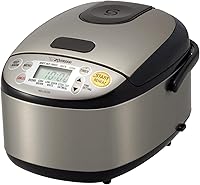
A micom cooker may suit you if you want computerized cooking and a dedicated steam setting. The Zojirushi NS-TSC10 has a capacity of up to 5.5 cups of uncooked rice and includes automatic keep warm.
Use the manual’s directions for each setting and batch size. A feature set doesn’t replace correct measuring or a clear steam vent.
How do you clean a rice cooker after an overflow?
Unplug the cooker, let it cool fully, and clean the inner pot and removable parts as the manual directs. Wipe spills from the exterior only after the appliance is safe to handle.
Remove the inner pot and any detachable lid or vent parts that the manual says are washable. Dry them before putting them back.
Keep water away from electrical parts, the plug, and the heating plate. Don’t submerge the cooker body or use abrasive tools unless the manual allows it.
Before the next batch, confirm the vent is clear and each removable part is seated correctly. If you’re not sure how a part fits, check the manufacturer’s instructions.
When should you contact the manufacturer?
Contact the manufacturer if the cooker repeatedly overflows with a small batch, correct water measurement, and a clean, properly fitted vent. Stop using it if you see damage or suspect an electrical problem.
A single spill after overfilling may point to a batch-size or measuring issue. Repeated overflow under normal use deserves a closer look.
For your next cycle, use the cooker’s measuring cup and markings, rinse rice when appropriate, and keep the batch within its stated capacity. If you cook more than the pot can comfortably handle, divide the rice into smaller batches.
Frequently asked questions
Why does my rice cooker bubble over?
Rice cooker foam usually comes from starch released into the water as rice cooks. Rinsing rice until the water is less cloudy, measuring the water with the cooker’s cup and markings, and leaving enough room in the pot can reduce bubbling.
Different rice types and cooker designs may need different amounts of water.
Should I open a rice cooker if it is boiling over?
If foam is escaping, switch off and unplug the cooker if you can do so safely, then let it settle before opening the lid. Keep your hands and face away from steam, and don’t move or tip a hot cooker.
Check the manual before cleaning or restarting it.
Can too much water make a rice cooker boil over?
Yes. Excess water can leave less room for bubbling and foam, especially when the pot is filled near or above its marked limit.
Measure rice and water as your cooker manual directs, and reduce the batch size if the pot is crowded.
Why does my rice cooker keep boiling over after I rinse the rice?
If rinsing doesn’t stop the overflow, check the water amount, batch size, rice type, and removable steam parts. A blocked or dirty vent can affect escaping steam.
Unplug the cooker, let it cool, and clean the parts as the manual directs; contact the manufacturer if the problem continues.