Induction Rice Cooker vs Regular: Is IH Worth It? (October 2026)
Choose induction heating (IH) for responsive heat control across the cooking pan; choose a regular micom cooker if its features meet your needs. The induction rice cooker vs regular choice depends on your usual rice, batch size and budget.
On this page (9 sections)
- Induction rice cooker vs regular: what changes?
- Is induction heating worth it for everyday rice?
- Which matters more: heating method or cooker size?
- Does IH cook rice better than micom?
- Which cooker fits your routine?
- What should you compare before buying?
- Is IH worth paying more for?
- Is an induction rice cooker vs regular the better choice?
- Sources
Choose induction heating (IH) if you want fine heat adjustments across the cooking pan; choose a regular micom cooker if its menus and controls cover your usual rice. The induction rice cooker vs regular decision is about heating method, batch size and the features you will use.
IH models here offer high heat and fine heat adjustments or induction heating paired with specific grain menus. The regular micom option uses computerized fuzzy logic, automatic keep warm and a steam menu.
IH alone doesn't guarantee better rice or faster cooking. Match the cooker to your portions, rice types and preferred settings.
 Best for varied rice menus
Zojirushi NW-QAC10 5.5-Cup Induction Rice Cooker
 Best for everyday micom value
Zojirushi NS-TSC10 5.5-Cup Micom Rice Cooker
Induction rice cooker vs regular: what changes?
An IH cooker heats through induction, while the regular model here uses micom fuzzy logic. Both approaches are designed to control a rice cooking cycle, but the listed features differ.
The 5.5-cup Zojirushi NW-QAC10 pairs induction with high heat and fine heat adjustments. Its menus include white, Jasmine, brown, GABA brown, quinoa, congee, steel-cut oatmeal and steam.
The 3-cup Zojirushi NP-GBC05 also uses IH, with menus for white or mixed rice, sushi, porridge, brown rice, GABA brown, rinse-free and quick cooking. Its smaller capacity may be a better fit for single servings or compact kitchens.
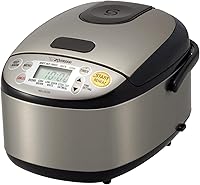
The NS-TSC10 is a 5.5-cup micom cooker. It offers fuzzy logic, automatic and extended keep warm, a reheating cycle and a steam menu.
For more background on basic, micom, induction and pressure models, see our guide to types of rice cookers.
Does IH mean the cooker uses pressure?
No. Induction heating and pressure cooking are separate features, even though a cooker can use both.
Check the model's listed functions instead of assuming all IH cookers pressure cook.
The NW-QAC10 description mentions pressure and induction heating, but the product name and bullet details also identify IH and its cooking menus. The NP-GBC05 is described as an induction heating system cooker, without pressure cooking among its listed features.
If pressure cooking matters to you, compare the specific menus and functions in our rice cooker vs pressure cooker guide.
Is induction heating worth it for everyday rice?
IH is worth considering when you want its heat adjustments or menus for several rice types and grains. If you mostly cook plain white rice, a micom model may provide enough control without IH.
The NW-QAC10 includes separate settings for quick white, Jasmine, sushi or sweet rice, brown rice, GABA brown, quinoa and more. That range can help if your cooking routine changes from one grain to another.
The NP-GBC05 offers a more compact IH option, with white and mixed rice, sushi, porridge and brown rice among its menus. It also lists quick cooking, though the available details don't give a time comparison with the regular micom model.
The NS-TSC10 is simpler in the details provided: fuzzy logic, keep-warm choices, reheating and steaming. Consider it if those features cover your routine and you don't need the specialized menus named for the induction models.
Menu labels don't guarantee the result you prefer. Use the manual's rice measurements and water guidance, and adjust only after you know how the cooker handles your rice.
What makes the NW-QAC10 different from a regular micom model?
The NW-QAC10 combines 5.5-cup capacity, IH heat adjustment and a broad menu list. It also includes a steam function with an adjustable timer and steaming tray.
Its water measure lines cover the listed menus, and it has separate lines for half a cup of white rice. Those markings may help when cooking a smaller amount in a larger cooker.
The double nonstick coating is designed to make cleanup easier, but the care instructions call for hand washing. Choose this model for its menu range and heat control, not on the assumption that every feature will improve every batch.
Which matters more: heating method or cooker size?
Choose capacity around the amount of rice you normally cook; a smaller IH cooker can be a better fit than a larger one. The NP-GBC05 holds up to 3 cups, compared with 5.5 cups for both the NW-QAC10 and NS-TSC10.
The NP-GBC05 can cook as little as half a cup according to its description. Its capacity uses the included 6-ounce measuring cup with raw short-grain white rice, and other grains may vary.
For a small household, a smaller cooker may take up less counter space and suit the amount you eat. For families or batch cooking, the 5.5-cup options leave more room for a larger uncooked batch.
Capacity labels can be confusing because rice cooker cups differ from standard kitchen cups. Follow the cup included with the cooker and the matching water lines.
Our rice cooker water ratio guide explains how rice type and measuring affect the water you add. If you want a compact cooker but IH is optional, compare the options in best rice cookers for 2 people.
Does IH cook rice better than micom?
Neither heating type guarantees a result you will prefer; rice, water, quantity and settings matter too. IH gives the cookers here high or adjustable heat features, while the micom model uses programmed fuzzy logic.
The NW-QAC10 describes high heat and fine heat adjustments for fluffy rice. That is a brand claim about its design, not a result we can promise for every grain or kitchen.
The NP-GBC05 description also highlights high heat from IH technology. The NS-TSC10 instead emphasizes its computerized cooking system and even-heating system.
Start with the rice type and quantity you make most often. A setting for Jasmine or brown rice can be more useful than a heating feature you won't notice in your regular routine.
If rice turns sticky or mushy, check your measurement and water ratio before blaming the cooker type. Our guide to why rice cooker rice gets sticky or mushy covers common adjustments.
Which cooker fits your routine?
Pick the cooker whose capacity and named functions match how you cook most weeks. The IH options serve different batch sizes, while the micom model focuses on everyday cooking features.
Choose the NW-QAC10 if you cook multiple rice types or grains and want a 5.5-cup cooker with fine heat adjustments, broad menus and a timed steam function.
Choose the NS-TSC10 if you want a 5.5-cup micom cooker with automatic and extended keep warm, reheating and steaming, without needing IH.
Choose the NP-GBC05 if you want induction heating for smaller batches and its 3-cup capacity fits your household. Its brown rice and porridge settings add useful options for those meals.
What should you compare before buying?
Compare the capacity, menus, heat method and care instructions for the exact model. A shared brand or capacity doesn't mean the cookers offer the same controls.
- Capacity: 3 cups for the NP-GBC05, or 5.5 cups for the other two.
- Heating: IH for the NW-QAC10 and NP-GBC05; micom fuzzy logic for the NS-TSC10.
- Menus: Compare the named settings with the grains and dishes you make.
- Care: The NW-QAC10 and NP-GBC05 call for hand washing; the NS-TSC10 also lists hand-wash care.
- Steaming: All three include a steam feature or menu, but the NW-QAC10 specifies an adjustable timer and tray.
These are different-sized and differently equipped cookers, so a single feature doesn't settle the choice. Look at your typical batch and the functions you will use often.
Is IH worth paying more for?
IH is worth a closer look if its heat control and menus solve a real need in your kitchen. The product details here don't guarantee a price difference, so compare current prices for the models you are considering.
If both heating types offer the menus you need, the regular micom model may be enough. If you cook Jasmine, brown rice, quinoa or several grains, the induction models list more dedicated options.
Don't pay for capacity you won't use, either. The 3-cup NP-GBC05 may suit a small household better than a 5.5-cup cooker, even if you want IH.
For more options in the IH category, see our guide to best induction rice cookers. Use the comparison to check whether a larger capacity or a specific menu matters more to you.
Is an induction rice cooker vs regular the better choice?
Pick IH for fine heat adjustments or menus matched to varied grains; pick regular micom if you mainly need fuzzy logic, keep warm and steaming. Size your choice around your usual batch, then compare the exact menu list and care requirements.
The NW-QAC10 is the broad-menu 5.5-cup option, the NP-GBC05 brings IH to a 3-cup size, and the NS-TSC10 is the 5.5-cup micom choice. Your best fit is the one whose functions match what you cook.
For the wider choice among heating types, start with our rice cooker types guide.
Sources
Frequently asked questions
Is an induction rice cooker better than a regular rice cooker?
An induction rice cooker can adjust heat across the cooking pan, while a regular micom model can still manage cooking through its programmed controls. IH may suit you if you want fine heat adjustment and varied rice menus; a regular micom cooker can be enough for everyday white rice.
Does induction heating make rice cook faster?
Induction heating alone doesn't tell you how long a specific cooker takes. Menus, rice type, quantity and soak time affect the total, so compare the cooking times for the exact models and settings you plan to use.
Is a 3-cup induction rice cooker enough for one person?
A 3-cup cooker can suit one person if your usual batch fits its capacity and you don't need leftovers for several meals. The NP-GBC05 is rated for up to 3 cups using its included measuring cup; other grains may vary.
Can a regular micom rice cooker cook brown rice?
Check the menu for the exact model before choosing it for brown rice. The induction models here include brown rice menus, while the NS-TSC10 details describe fuzzy logic and a steam menu but don't specify a brown rice setting.
Should I choose induction or pressure cooking?
Choose based on the features you want, since induction heating and pressure cooking describe different functions. Some cookers combine them, while others use IH without pressure; compare the exact model and see our guide to rice cookers vs pressure cookers.