Rice Cooker or Pressure Cooker: Which Makes Better Rice? (October 2026)
Choose a rice cooker for set-and-forget rice and a pressure cooker for a multi-use appliance. A dedicated rice cooker has rice-focused programs, while a pressure cooker can make rice alongside other meals.
On this page (9 sections)
- Rice cooker vs pressure cooker: which makes better rice?
- Which cooker is easier for daily rice?
- Which cooker fits your household and counter?
- What do the controls and care routines involve?
- Which is the better value for your cooking habits?
- Which should you choose for rice?
- How we scored these cookers
- Sources
- Frequently asked questions
Choose a rice cooker for simple, repeatable rice and a pressure cooker for an appliance that also handles other meals. In a rice cooker vs pressure cooker comparison, the better choice depends on how often you make rice and whether you want extra cooking functions.
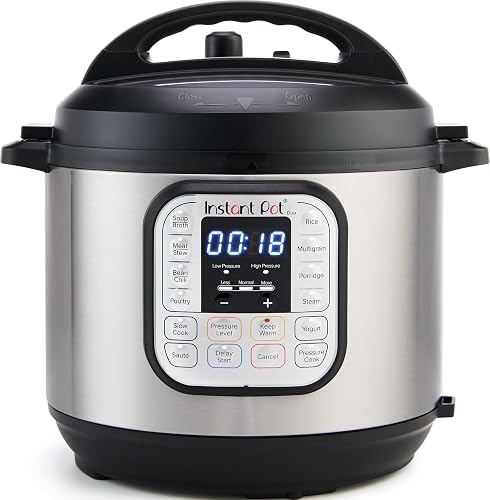
A dedicated cooker such as the Zojirushi NS-TSC10 uses micom fuzzy logic, automatic keep warm and a reheating cycle. The Instant Pot Duo includes a rice function along with pressure cook, slow cook, sauté, steam, yogurt and warming functions.
There is also a middle ground: the Cuckoo CRP-P0609S is a pressure rice cooker with rice-specific modes. It combines pressure cooking with options for white rice, brown rice and porridge.

Rice cooker vs pressure cooker: which makes better rice?
A dedicated rice cooker is the easier fit if rice is a frequent side dish; a pressure cooker is better if you value a multi-use pot. Both can cook rice, but they approach the job differently.
A rice cooker is built around rice programs and a cooking pot designed for that routine. The Zojirushi NS-TSC10 uses fuzzy logic and has automatic keep warm, extended keep warm and a reheating cycle.
A pressure cooker seals the pot to cook under pressure. The Instant Pot Duo has a rice function, but its other functions make it a broader cooking appliance rather than a dedicated rice machine.
Pressure doesn't automatically make rice better or worse. Rice type, water measurement, quantity and the cooker’s method all affect texture.
What texture should you expect?
Choose based on the texture you like and the instructions for your rice and cooker. A pressure cooker recipe may use a different water amount and release method from a standard rice cooker recipe.
White rice, brown rice and jasmine rice can each need different water amounts and cooking settings. Use the recipe or manual for the exact appliance rather than transferring instructions from one type of cooker to another.
Our guide to rice cooker water ratios for white, brown and jasmine rice explains why grain type and measurement matter. If rice turns sticky or mushy, see common causes of sticky rice cooker rice before changing several steps at once.
Does pressure make rice cook faster?
Pressure can reduce the time spent cooking after the pot reaches pressure, but the whole cycle also includes pressurizing and release. A short cook setting alone doesn't tell you when rice will be ready to serve.
The Instant Pot Duo's pressure cooking function is designed to cook food faster than slow cooking methods, according to Instant Pot. That comparison doesn't guarantee a guaranteed time advantage for rice over a dedicated rice cooker.
The Cuckoo CRP-P0609S combines pressure with rice-focused programs. Its product information gives a 29 PSI pressure level and says its Turbo White Rice cooks in 18–24 minutes, but your total wait includes the appliance's full cooking cycle.
Which cooker is easier for daily rice?
A dedicated rice cooker usually takes fewer decisions when you make rice regularly. A multi-cooker can still be convenient if you already use its other functions.
The Zojirushi NS-TSC10 has a rice-focused control setup with fuzzy logic, 2 delay time settings, a melody or beep signal and automatic keep warm. It also has a steam menu, so it can do more than plain rice without becoming a general pressure cooker.
The Instant Pot Duo offers 13 one-touch options and 7 cooking functions. That flexibility can save counter space if you use the same appliance for rice, pressure meals, slow cooking and sautéing.
The Cuckoo sits between those choices. Its 12 menu options include white rice, brown rice, porridge and multi-cook, so it is a specialized rice cooker that also applies pressure.
For an overview of basic, micom, induction and pressure designs, see the main types of rice cookers. That guide can help you decide whether your cooking routine calls for a basic unit, a fuzzy logic model or pressure cooking.
How much attention does each need?
A rice cooker with automatic keep warm needs little attention once its rice cycle starts; a pressure cooker needs you to follow its release instructions. Read the manual before opening or moving a pressure cooker.
The Zojirushi has automatic keep warm and an extended keep-warm mode. It also includes a reheating cycle, which can help when rice needs warming before a meal.
The Instant Pot Duo has an easy-release steam switch. Steam release is still part of the pressure cooking process, so keep hands and face clear and use the method specified for the recipe.
The Cuckoo automatically releases pressure softly and quietly, according to its product information. Allow the cooker to complete that step before opening it.
Which cooker fits your household and counter?
Pick capacity around the batch you usually cook, then measure the storage space and counter area. A larger cooker does not help if it crowds your kitchen or encourages you to make more rice than you use.
The Zojirushi NS-TSC10 holds up to 5.5 cups of uncooked rice. The Instant Pot Duo is a 6-quart cooker, while the Cuckoo is listed as a 6-cup uncooked rice cooker.
Those capacity labels describe different things, so don't compare them as though they were identical measures. Consider how many uncooked cups you need for a normal meal and check each manual for its usable capacity.
The Zojirushi measures 10 1/8 x 14 x 8 1/2 inches. The Instant Pot Duo measures 12.2 x 13.38 x 12.48 inches, and the Cuckoo measures 14.2 x 10.1 x 11.6 inches.
Measure the appliance footprint plus room to open the lid and handle steam safely. If you use a pressure cooker on the counter, make sure its steam release has clear space and isn't aimed toward cabinets or a wall.
Should you choose a rice cooker with pressure?
Choose a pressure rice cooker if you want rice-specific menus and pressure cooking in the same appliance. It can suit someone who wants the pressure method without giving up dedicated rice options.
The Cuckoo CRP-P0609S has modes for white rice, brown rice, porridge and other cooking tasks. Its automatic steam release and 29 PSI pressure level distinguish it from a conventional micom rice cooker.
A pressure rice cooker is still a specialized appliance. If you need a general multi-cooker for soups, sautéing and slow cooking, compare it with the Instant Pot Duo's wider set of functions.
Our guide to induction versus regular rice cookers covers another design choice for people weighing cooking methods. For more pressure-focused options, browse the best induction rice cookers and compare their features with your household needs.
What do the controls and care routines involve?
Choose the controls you are most likely to use, and follow the cleaning instructions for the exact appliance. Extra programs help only when they match meals you actually prepare.
The Zojirushi has a clear-coated stainless steel exterior, a retractable power cord and an interchangeable melody or beep signal. Its care instructions call for hand washing.
The Instant Pot Duo has touch controls and a stainless steel cooking pot with a tri-ply bottom. It can pressure cook, slow cook, sauté, steam, make rice and yogurt, and keep food warm.
The Cuckoo includes a measuring cup, spatula and steam plate. Its care instructions also call for hand washing, so check which removable parts need cleaning after each use.
For all 3, clean the cooking pot and other removable parts according to the manual, and dry them before storage. Keep the lid, valve or steam-release parts clear of rice starch and food residue as directed by the manufacturer.
Which is the better value for your cooking habits?
A dedicated rice cooker makes more sense when rice is a regular part of your meals; a multi-cooker earns its space when you use its other modes. Count the jobs you will use, rather than comparing feature totals alone.
The Zojirushi NS-TSC10 focuses on reliable rice routines with fuzzy logic, keep warm, reheating and steaming. Choose it if those functions cover your needs and you don't want pressure cooking to be part of the process.
The Instant Pot Duo offers broader use in one appliance. Its pressure, slow cook, sauté, steam, rice, yogurt and warm functions suit kitchens that want one pot for different meals.
The Cuckoo CRP-P0609S is the pressure-focused option for rice. Its rice menus may suit households that want pressure-cooked rice and other rice styles, but its feature set is more specialized than the Duo's.
A rice cooker can also be a useful choice if you often prepare different grains or want to steam vegetables. See how to cook quinoa in a rice cooker and how to steam vegetables in one for related uses.
Which should you choose for rice?
Pick the Zojirushi for everyday rice and automatic keep warm, the Instant Pot Duo for one-pot flexibility, or the Cuckoo for pressure cooking with rice-focused menus. For rice cooker vs pressure cooker, choose the design that matches the meals you make most.
If rice is a regular side dish and you want a straightforward cycle, choose the dedicated Zojirushi. If you want rice alongside pressure cooking and other functions, choose the Instant Pot Duo.
Choose the Cuckoo if you want a pressure rice cooker with specific white and brown rice modes. For more models in the category, compare rice cookers with induction heating against the programs and capacity you need.
Product picks
How we scored these cookers
Our scores weigh each cooker's features against the needs behind this comparison. Rice-focused controls, extra cooking functions and pressure features all matter, but they serve different routines.
The Zojirushi scores 8.7 for its micom fuzzy logic, keep-warm options, reheating cycle and steam menu. The Cuckoo scores 8.4 for rice-specific programs paired with pressure cooking.
The Instant Pot Duo scores 8.1 because its wide range of cooking functions adds versatility, while its rice function shares space with many other jobs.
Sources
- Zojirushi NS-TSC10 product information
- Instant Pot Duo product information
- Cuckoo CRP-P0609S product information
Frequently asked questions
Is a rice cooker or pressure cooker better for daily rice?
A dedicated rice cooker is usually simpler for daily rice, while a pressure cooker makes sense if you also use its other cooking modes. Check capacity, rice programs and keep-warm features.
If your preferred rice texture is the deciding factor, follow recipes for the exact model and grain.
Can a pressure cooker make brown rice?
Yes, a pressure cooker can make brown rice when you use a suitable recipe or brown rice program. The Cuckoo CRP-P0609S includes a brown rice mode.
Use its manual for water amounts, timing and release instructions instead of copying settings from a different appliance.
Does a rice cooker need to stay on keep warm?
No, keep warm is optional and should be used according to the cooker manual's time guidance. The Zojirushi includes automatic and extended keep warm, and the Instant Pot Duo has a warm function.
Refrigerate leftovers promptly using safe food handling guidance.
Which is easier to clean, a rice cooker or pressure cooker?
Cleaning depends on the removable parts and the manufacturer's care instructions. The Zojirushi and Cuckoo call for hand washing, while the Instant Pot Duo has a stainless steel cooking pot.
Check each manual for lid, valve and accessory cleaning steps.
Is a pressure rice cooker different from an Instant Pot?
A pressure rice cooker centers its menus on rice, while an Instant Pot is a multi-cooker with a rice function among several cooking modes. The Cuckoo CRP-P0609S offers white and brown rice programs, while the Instant Pot Duo adds slow cooking, sautéing, steaming and yogurt.
Frequently asked questions
Is rice better in a rice cooker or pressure cooker?
A dedicated rice cooker is the straightforward choice for regular rice because its programs focus on rice and many models switch to keep warm. A pressure cooker can also make rice, but results depend on the rice, water amount, pressure setting and release method, so follow the recipe for your exact cooker.
Can an Instant Pot cook rice as well as a rice cooker?
An Instant Pot Duo has a rice function, so it can cook rice while also handling pressure cooking, slow cooking, steaming and other tasks. A dedicated rice cooker offers rice-focused controls and automatic keep warm, which may be simpler if you cook rice often.
Does pressure cooking make rice faster?
Pressure cooking can shorten the active cooking portion, but total time also includes reaching pressure and releasing it. Compare the full cycle in recipes for the exact cooker, since rice type, quantity and release instructions change the timing.
Which cooker is better for brown rice?
Both dedicated rice cookers and pressure cookers can handle brown rice when they have an appropriate program or recipe. The Cuckoo CRP-P0609S includes a brown rice mode, while the Zojirushi uses fuzzy logic; follow the maker's water and setting guidance for your chosen grain.
Can a pressure cooker keep rice warm?
The Instant Pot Duo has a keep-warm function, and the Zojirushi offers automatic and extended keep warm. Use the manual's guidance for safe holding time and check rice before serving if it has been sitting for a while.


